There is a short window every autumn when the mountains turn and the air is cold enough to wake you up but not cold enough to send you home. If you ride an old touring bike, that window is the best riding of the year. It is also when a thirty-year-old machine is most likely to remind you of everything you skipped over the summer.
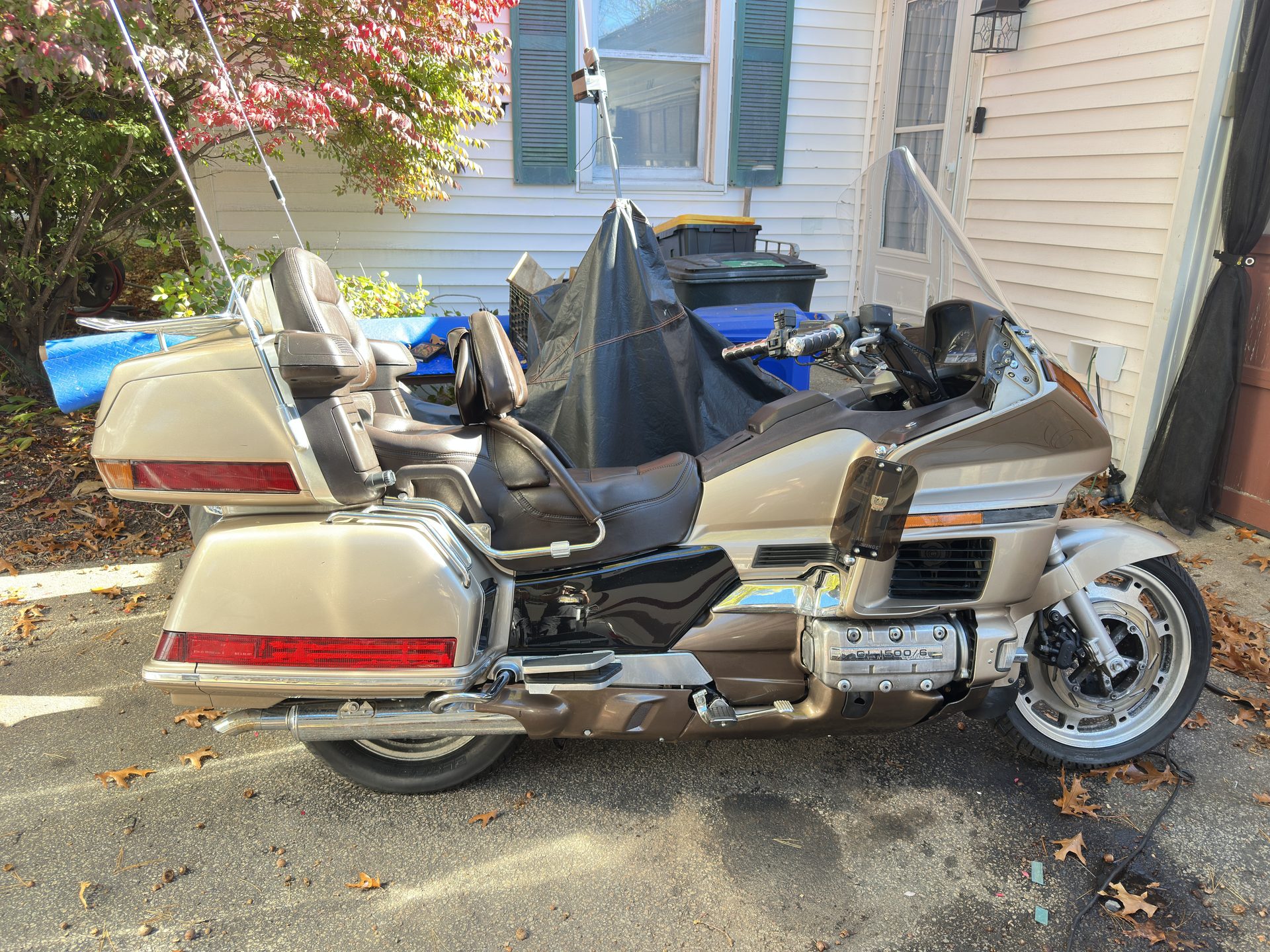
Our own fall this year ran straight through a Tennessee trip. Kindle, our 1988 GL1500 was delivered to its new owner on October 18, during that autumn trip, so color season and Gold Wings are very much on our minds. Here is how we think about planning a fall-color ride on a vintage bike.
Time the leaves, not the calendar
Peak color moves. It starts at the highest elevations and works its way down the ridges over a few weeks, and a warm spell or a hard frost can shift it either way.
- Check a fall-foliage report for the region the week you plan to go, not the month before.
- Plan by elevation. If the peaks are past prime, the valleys and lower ridges are often just arriving.
- Go midweek if you can. Popular scenic roads fill up with cars on October weekends, and a heavy touring bike in stop-and-go traffic on a grade is no fun for you or the clutch.
Pick roads that suit an old bike
A Gold Wing, a Virago or any older cruiser will happily cover big miles, but it does not want the same roads a modern sport bike wants.
- Favor sweepers over tight technical stuff when you are loaded with luggage or a passenger.
- Know where the fuel is. Mountain gas stations close early in the off-season, and some close for the year. On an old bike with a tired fuel gauge, ride by the trip meter. Kindle shipped with a dead fuel-level sender, and plenty of old bikes do.
- Have a bail-out route. Weather in the mountains changes fast in late fall. Know the lower road home.
- Plan for daylight. Sunset comes early now, and a ridge road at dusk is a different road. We plan to be off the high stuff an hour before dark.
Pack for a forty-degree spread
A fall mountain day can start near freezing in a valley, climb into sunshine, and drop again in the shade of a north-facing slope. Layers are the whole game.
- A base layer that wicks, a warm mid-layer, and a wind-blocking outer jacket.
- Two pairs of gloves: a warm pair for the morning and a lighter pair for the afternoon.
- A neck gaiter or balaclava. A cold neck makes the whole ride miserable.
- Rain gear, even if the forecast is clear.
- If your bike has the electrical capacity and you have heated gear, test it at home first, not at the overlook.
Touring bikes are good at this because they carry it all. Use the trunk and saddlebags for layers you take off, not just for the stuff you hope not to need.
The driveway check before you go
An old bike that has sat for a few weeks deserves ten minutes before a long mountain day. This is not a service, just a look.
- Tires: pressure set cold, and a real look at the tread and sidewalls. Check the date code too. Kindle came to us on tires with 2001 date codes. Old rubber can look fine and still be hard as a hockey puck, and cold mountain mornings are exactly where hard tires let go.
- Brakes: firm lever and pedal, no spongy feel, fluid in the window.
- Lights: headlight high and low, brake light from both the lever and pedal, turn signals. You will be riding into shade and possibly dusk.
- Fluids: oil level, coolant level on liquid-cooled bikes, and a glance underneath for fresh drips.
- Fuse kit: a spare main fuse and a few small ones. When we finished Kindle we tucked a spare main fuse in the battery box for the new owner. That is a habit worth copying.
- Basic tools and a phone charger.
Ride your own pace
Scenic roads in October are full of people looking at trees instead of the road, and that includes riders. Leave a bigger gap than usual, expect cars stopped in odd places at overlooks, and do not chase anyone through the corners. Our next post covers the riding side in detail: wet leaves, cold tires, frosty shade and switchbacks.
Quick checklist
- Foliage report checked for this week
- Route planned with fuel stops and a bail-out road
- Off the high roads an hour before sunset
- Layers, two pairs of gloves, rain gear packed
- Tires: pressure, tread, sidewalls and date code
- Brakes, lights and fluids checked
- Spare fuses and a basic tool kit aboard
The leaves only hang around for a couple of weeks. A little planning means you spend them riding instead of waiting on a tow truck at the top of a mountain.